Root Canal Vs. Extraction: Understanding Your Treatment Options
If you're experiencing severe tooth pain or discomfort, it’s likely that you’re faced with the decision of root canal vs. extraction. Both procedures are common treatments for damaged or infected teeth, but they serve different purposes.
At Oasis Dental Spa, we understand that deciding between a root canal and extraction can be challenging, and we’re here to guide you through the options.
What Is a Root Canal?
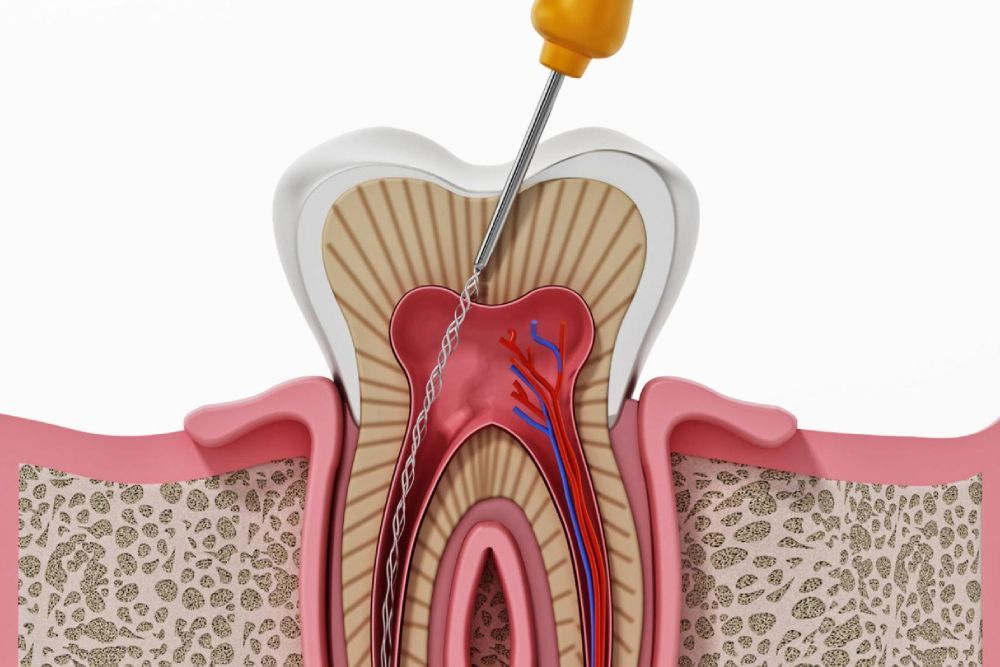
A root canal is a dental procedure used to treat infection or severe damage to the pulp inside your tooth. The pulp is the soft center of the tooth, which contains blood vessels, nerves, and connective tissue. When bacteria reach the pulp, it can become infected, leading to pain and swelling. If left untreated, the infection can spread, causing more severe damage to the tooth and surrounding tissue.
During a root canal, our dentist will remove the infected pulp, clean out the tooth, and seal it to prevent future infection. Afterward, a dental crown is often placed over the tooth to restore its strength and function. The main goal of a root canal is to save your natural tooth and eliminate the infection.
What Is a Tooth Extraction?
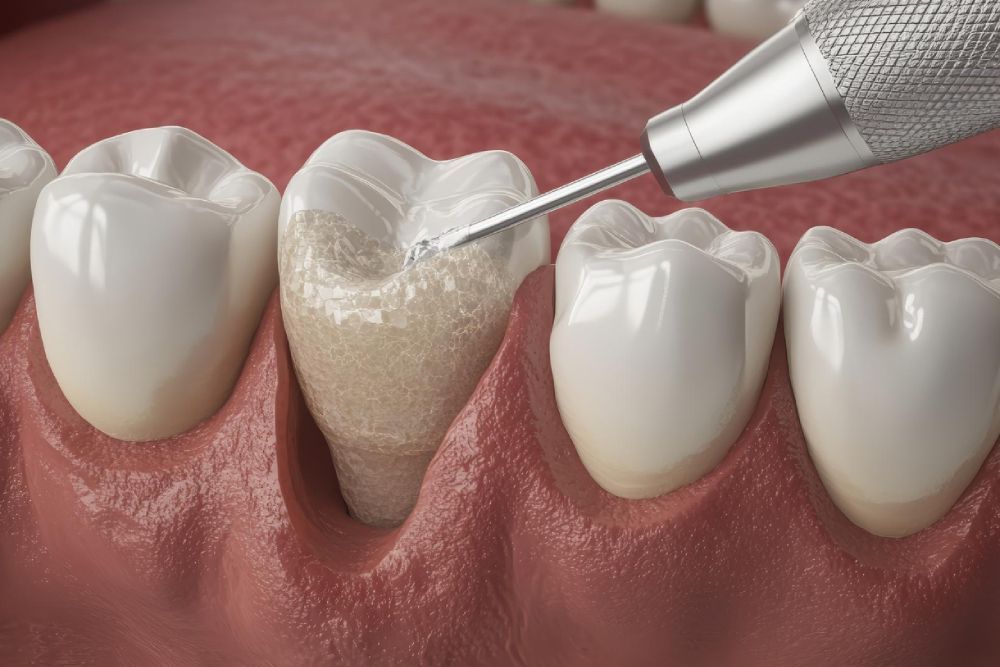
In contrast to a root canal, a tooth extraction involves the complete removal of a tooth from its socket in the jawbone. This procedure is typically recommended when a tooth is too damaged to be saved through a root canal or other restorative treatments.
There are two types of extractions: simple and surgical. A simple extraction is used for teeth that are visible and easily removed, while surgical extractions are necessary for more complicated cases, such as teeth that are broken or not fully erupted.
While a tooth extraction immediately solves the problem of an infected or damaged tooth, it creates a new issue: a gap in your smile. Over time, missing teeth can lead to other complications, such as shifting teeth, bone loss, and difficulty chewing. If you choose to undergo an extraction, it’s important to discuss replacement options with your dentist, such as dental implants or bridges.
Root Canal Vs. Extraction: Which Option Is Best?
The decision between root canal vs. extraction often depends on the condition of your tooth. If the tooth is still strong enough to support a crown after the infection is removed, a root canal is usually the preferred option. On the other hand, if the tooth is severely damaged, has extensive bone loss, or if previous treatments have failed, a tooth extraction might be necessary.
The Recovery Process: Root Canal Vs. Extraction
Recovery from a root canal is typically mild. After the procedure, you may experience some discomfort or tenderness, but this usually subsides within a couple of days. It’s important to follow the post-treatment care instructions provided by our team to avoid complications and ensure proper healing.
In contrast, recovery from a tooth extraction tends to be more involved. The extraction site will need time to heal, and you’ll need to take precautions during the first 24 hours to avoid issues like dry socket. Aftercare instructions will include avoiding hard foods, smoking, and vigorous rinsing to promote healing.
Cost Comparison: Root Canal Vs. Extraction
Cost is another factor to consider when choosing between root canal vs. extraction. While a tooth extraction is typically less expensive upfront, the long-term costs can be higher. If you choose to replace the extracted tooth with a dental implant or bridge, those procedures can be costly. In comparison, a root canal followed by a crown is a more expensive initial treatment, but it allows you to keep your natural tooth, potentially saving you money on future replacements.
Make the Right Choice for Your Smile
At Oasis Dental Spa, we’re here to help you navigate the decision of extraction vs. root canal. Our team of experienced professionals will thoroughly assess your dental condition, explain your dental treatment options, and guide you toward the best solution for your smile and overall oral health.