Are Veneers Permanent Or Reversible?
Quick Summary
Veneers are neither permanent in the sense of lasting forever nor reversible in the sense of undoing them. They are considered a long-term cosmetic treatment because a small amount of enamel is usually removed to prepare the tooth, and enamel does not grow back. Porcelain veneers can last many years with good oral hygiene and regular dental visits, but they may eventually need replacement. A consultation helps weigh these tradeoffs before treatment starts.
People who ask whether veneers are permanent or reversible are usually trying to learn how big a commitment they are making, and the honest answer has two parts. Veneers are not permanent in the sense that they will last forever, yet they are also not reversible in the sense that you can simply remove them and return to the teeth you started with.
At Oasis Dental Spa in Frankfort, IL, we explain both sides of that answer during a cosmetic consultation, and the details below can help you decide whether veneers fit your goals.
What Veneers Are and How They Are Placed
Veneers are thin, custom-made shells, commonly made from durable porcelain, that are placed over the front surface of teeth to improve how they look. They are designed to match the shape, size, and shade of natural teeth, and they can address several cosmetic concerns at once, including stained or discolored teeth, chips, uneven shapes, gaps, worn enamel, and mild alignment concerns.
Treatment begins with a consultation and smile evaluation in which our team discusses your goals, examines your teeth, and builds a plan around the look you want and your overall oral health. Digital imaging and intra-oral cameras help us evaluate teeth and show you your options, and our veneers page outlines the process in more detail.
Why Veneers Are Considered Irreversible
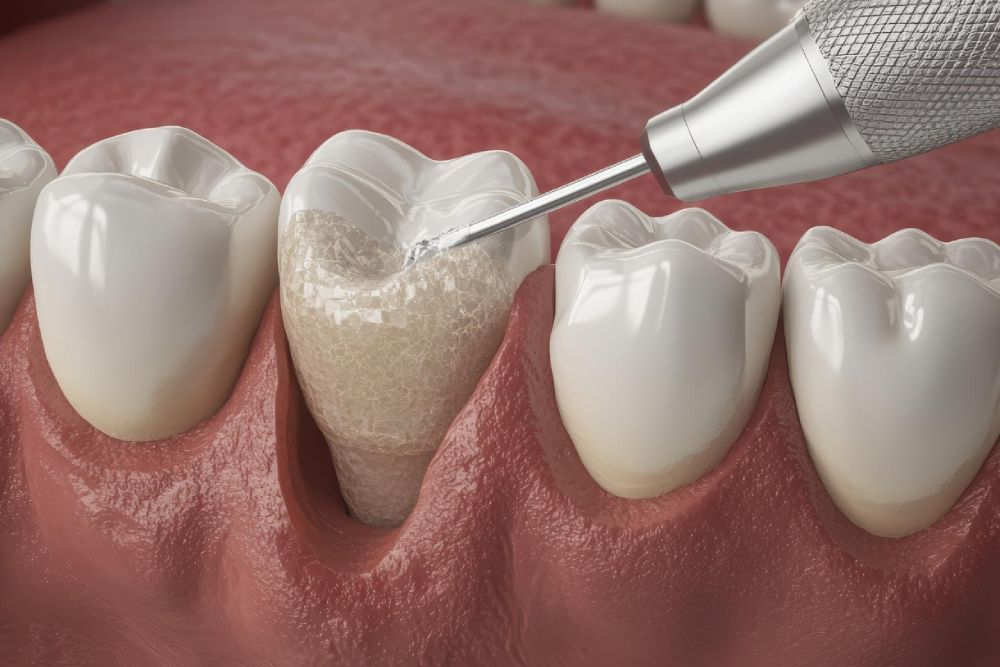
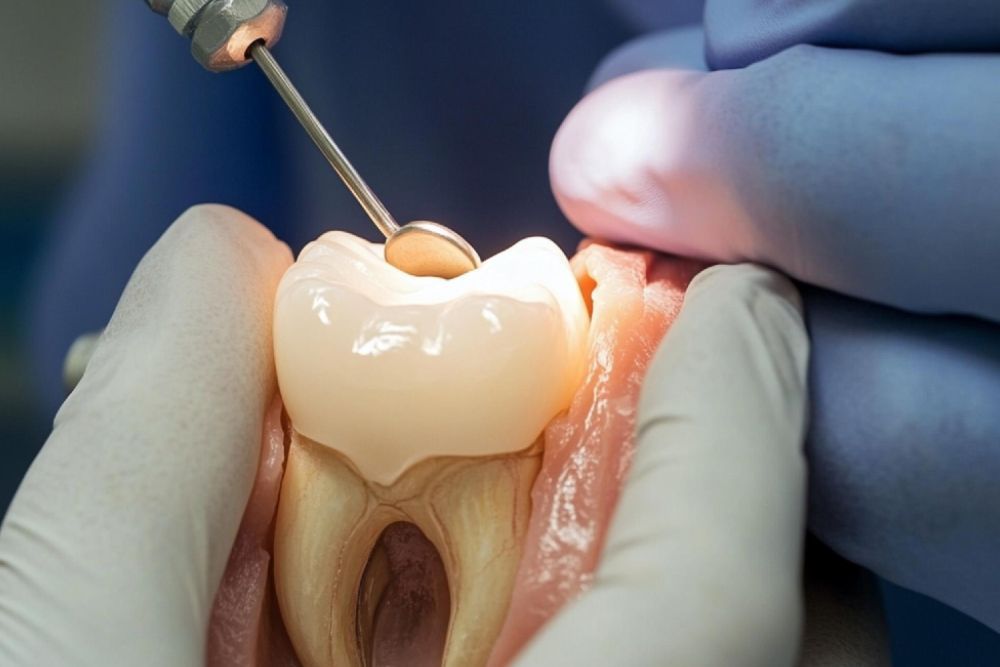
Veneers are considered a long-term cosmetic treatment because a small amount of enamel is usually removed during preparation, which makes room for the shell to sit flush with neighboring teeth. Enamel does not regenerate, so once it has been removed, the tooth generally will need some form of covering from that point on.
That does not mean the decision is risky for the right patient, only that it deserves careful thought. Your dentist can explain how much preparation your particular teeth are likely to need, and what that means if a veneer later has to be replaced, so you can make the choice with full information.
How Long Veneers May Last
Porcelain veneers can last many years with good oral hygiene habits and regular dental visits, and they are more stain-resistant than natural enamel. No one can promise a specific lifespan, because longevity depends on your daily habits, the health of your gums and the teeth underneath, and how your bite functions.
Like other dental restorations, a veneer can chip, wear, or loosen over time and may eventually need to be repaired or replaced. Keeping up with cleanings and exams lets us spot small problems early, and habits that place heavy force on teeth, such as chewing hard objects, are worth discussing with your dentist.
Caring for Veneers After Treatment
Veneers still sit on top of natural teeth, and those teeth and the surrounding gums need the same attention as before. Brushing, flossing, and keeping regular teeth cleaning appointments help protect the margins where the veneer meets the tooth and help preserve the way your smile looks.
If you are also interested in whitening, plan the order of treatment with your dentist. Whitening is designed for natural teeth and typically does not change the color of veneers, crowns, or fillings, so deciding on a shade for your natural teeth first can make the final result more even. Our teeth whitening page explains how that works.
Who Should Think Twice Before Choosing Veneers
Veneers rest on healthy teeth, so signs of decay or gum disease generally need attention first. Because the preparation is irreversible, patients who are unsure about the look they want, or whose main concern is simple staining, may be better served by a less permanent step such as professional whitening, and our team will say so when that is the case.
The right answer depends on the condition of your teeth and your goals, and it is best reached in person. To talk it through, call Oasis Dental Spa at (815) 469-3900 and schedule a consultation.
FAQs
Can veneers be removed?
Veneers can be replaced, but they cannot be undone in the sense of restoring the original enamel. Because a small amount of enamel is usually removed during preparation, the teeth generally need some form of covering afterward, such as a new veneer or another restoration. Your dentist can explain what that would involve for your own teeth.
How long do veneers last?
Porcelain veneers can last many years with good oral hygiene habits and regular dental visits, but no one can promise an exact timeframe. Longevity varies with your daily habits, the health of your gums and teeth, and how your bite works. Regular checkups help us catch small problems before they become larger ones.
Can veneers stain over time?
Porcelain veneers are more stain-resistant than natural enamel, though they are not stain-proof. Maintaining good oral hygiene and having regular cleanings helps preserve their appearance. Your natural teeth can still change color, and since whitening typically does not change veneers, it is worth planning the shade of your natural teeth with your dentist.
Are veneers right for everyone?
Not necessarily. Veneers work best on teeth and gums that are healthy, and they involve an irreversible step, so they deserve careful thought. Some cosmetic concerns, such as mild staining, may be handled with a less involved option like professional whitening. A consultation and exam show which approach fits your goals.