Dentures Vs. Dental Implants: Which Solution Fits Your Lifestyle?
Quick Summary
Dentures and dental implants both replace missing teeth, but they differ in how they stay in place and how they fit into daily life. Dentures are removable, usually involve a shorter path to a finished smile, and need daily cleaning outside the mouth. Implants are anchored in the jawbone, need healing time and a suitable foundation, and are cared for much like natural teeth. Many patients also consider implant-supported dentures as a middle path. The right choice depends on oral health, goals, and budget, and requires an exam.
Choosing between dentures vs. implants usually comes down to daily life rather than to a technical specification, because the two solutions ask different things of you at home, at the table, and over time. Both replace missing teeth, and both can restore the appearance and function of a smile, but they get there in different ways.
At Oasis Dental Spa in Frankfort, IL, we help patients compare the two based on their oral health, their goals, and how they like to live. The points below frame that comparison, and an exam is what turns them into a recommendation for you.
How Each Solution Works
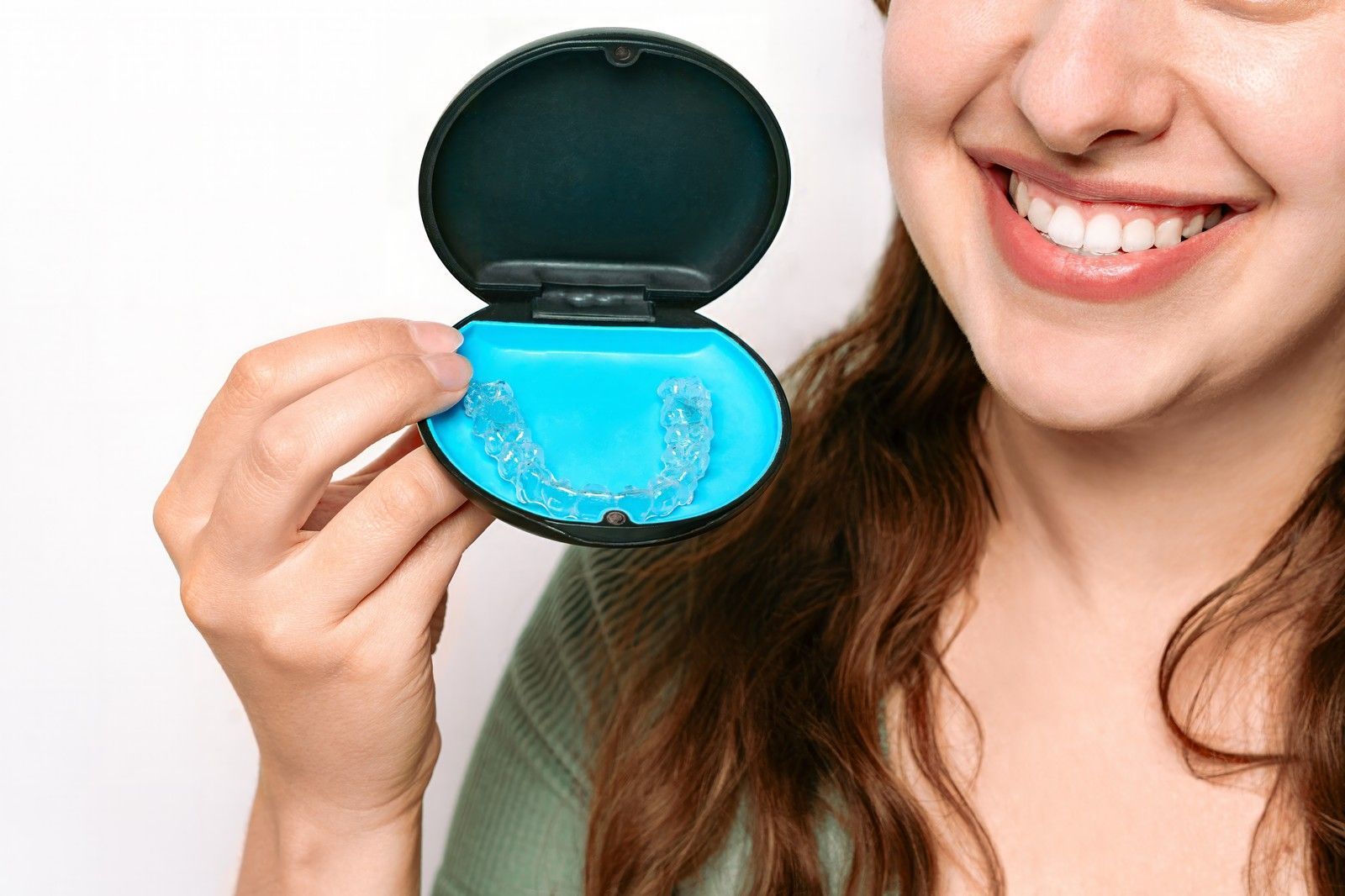
Dentures are removable restorations that replace missing teeth and surrounding oral structures. Full dentures are used when all the teeth in the upper arch, lower arch, or both are missing, and they sit along the gums, while partial dentures fit around healthy natural teeth that remain and fill the gaps between them. Our dentures page describes both kinds.
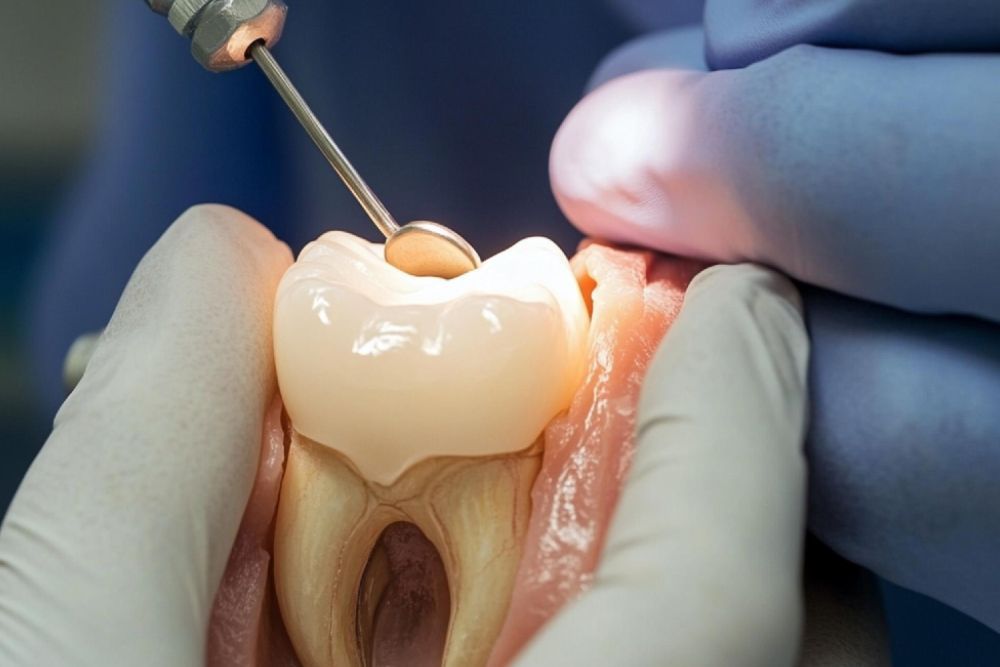
Dental implants work differently. They are artificial tooth roots, typically small titanium posts, placed into the jawbone, and once the implant has integrated with the bone it supports a crown, bridge, or denture. Implants are designed to function much like natural teeth, and you can read about the process on our dental implants page.
Daily Routine and Care
A removable denture is taken out and cleaned daily using recommended denture-cleaning methods, and it has to be stored properly whenever it is not being worn. That routine is simple but constant, and it is worth picturing honestly: a person who travels often, for example, would need to pack cleaning supplies and keep the denture safe on the road.
An implant-supported tooth is cared for much like a natural tooth, with careful brushing, daily flossing, and regular dental visits, and there is no separate soaking routine. Gum health still matters, since gum disease can affect the tissues that support an implant, so cleanings remain part of the plan.
Comfort, Chewing, and Speech
Adjusting to dentures can take time, especially for first-time wearers, and our dentists discuss what to expect during the adjustment period and give recommendations for care and maintenance. Many people become more comfortable as they adapt to speaking and eating with them, and dentures can help improve chewing comfort and, for some patients, speech clarity.
Implants help restore biting and chewing function and are anchored in the jaw, so patients often choose them for a more secure and natural-feeling replacement compared with removable restorations. Neither option is a guarantee of how it will feel, because comfort varies from person to person.
Time, Healing, and the Jawbone
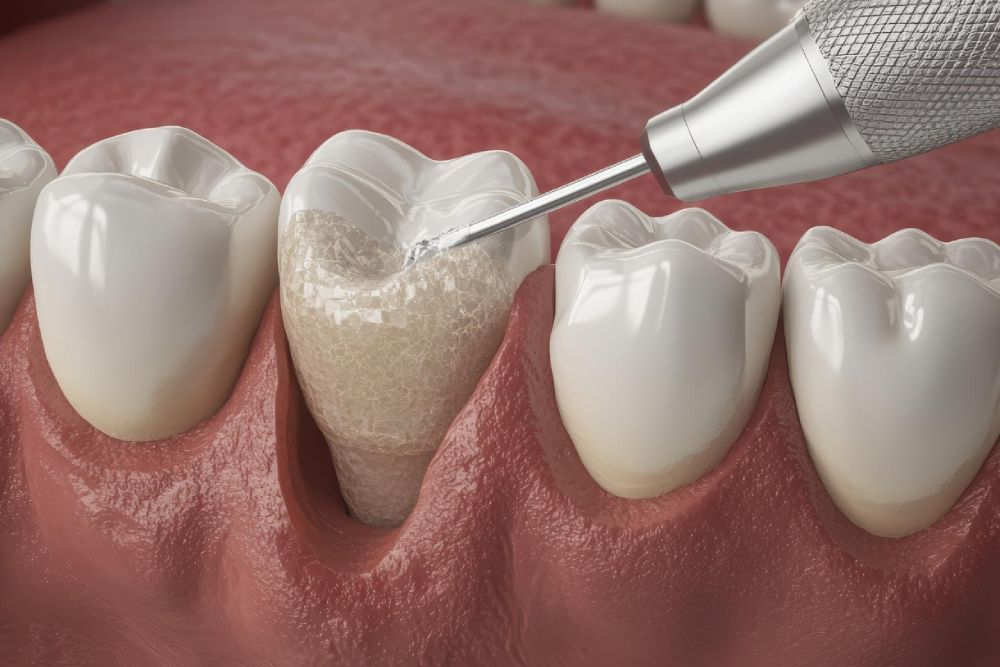
Implant treatment involves placing the implant, allowing it to integrate with the bone, and attaching a custom restoration after healing is complete, so it usually takes longer to finish than denture treatment. Candidates need healthy gums and adequate jawbone, and bone grafting may sometimes be used to repair defects before placement.
Bone support is another point of difference. Implants stimulate the jawbone similarly to natural tooth roots, which can help reduce bone loss where a tooth is missing, while tooth loss can affect facial structure over time and dentures can help restore fullness around the cheeks and mouth. Your dentist can explain which considerations apply to your own mouth.
Cost, Insurance, and Scheduling
Price is often the deciding factor, and it depends on how many teeth are being replaced and what each plan involves, so we do not quote figures without an exam. We discuss all costs and payment options before treatment begins. Our office is a Preferred Provider (PPO) for many dental insurance companies, in-office payment plans are available, and we can prioritize and stagger treatment, as described on our financial options page.
Thursday evening hours and Saturday appointments on the first Saturday of each month can make the multiple visits easier to manage, and our team will map out the likely sequence of appointments for your plan so you can see how it fits your calendar. If you are weighing a lower upfront investment against a longer-term plan, say so during the consultation, because that priority is a legitimate part of the decision and we can discuss both paths openly.
The Middle Path: Implant-Supported Dentures
For patients who want the full-arch coverage of a denture but would like more stability, dentures may sometimes be combined with dental implants, depending on oral health and treatment goals. This option is worth raising in your consultation if you currently wear dentures and find them unstable, or if you are facing tooth loss and want to understand all of your choices.
To compare the options for your own situation, call Oasis Dental Spa at (815) 469-3900 or see our tooth replacement page, and schedule an exam with our team.
FAQs
Which lasts longer, dentures or implants?
With good oral hygiene habits and regular dental visits, dental implants can last for many years, and dentures also require ongoing care and periodic checks as the mouth changes. No one can promise an exact lifespan for either option. Your dentist can explain what to expect for your own situation and how to keep your replacement teeth in good condition.
Can I switch from dentures to implants later?
Some patients may qualify for implant-supported dentures depending on their oral health and treatment goals, so it can be possible to move toward implants. Jawbone health and gum condition are central to that decision, so an exam and imaging are needed first. Our team can evaluate whether implants could work for you.
Is the implant process painful?
We focus on gentle, compassionate care, and our team works to help every patient feel comfortable during treatment. Experiences vary from person to person, and mild soreness can follow any procedure involving the jaw. Tell us about any concerns before your visit, and we will explain what to expect at each stage of care.
How do I know whether I qualify for implants?
Many adults with healthy gums and adequate jawbone structure may qualify for implants after a dental evaluation. We examine the condition of your teeth, gums, and jawbone using digital X-rays and advanced imaging. If bone has been lost, grafting may sometimes be discussed first, so schedule an exam to learn where you stand.